A personal exploration of queerness and identity through encounters in Dubai’s underground intimacy spaces, revealing how brothels became places of unexpected self-discovery beyond judgment or labels.
- Created by: Gareth Rubens
- Completed on: 5 Dec 2025
- Categories: Entertainment
I never thought I’d find myself in a brothel wondering if I was finally seeing myself clearly. Not because I was looking for sex - though that happened - but because I was looking for truth. The kind that doesn’t come in therapy sessions or pride parades, but in quiet rooms with strangers who don’t care about your pronouns, your past, or your politics. Just your presence. And for the first time, I felt seen - not as a label, not as a stereotype, but as a person who was tired of performing.
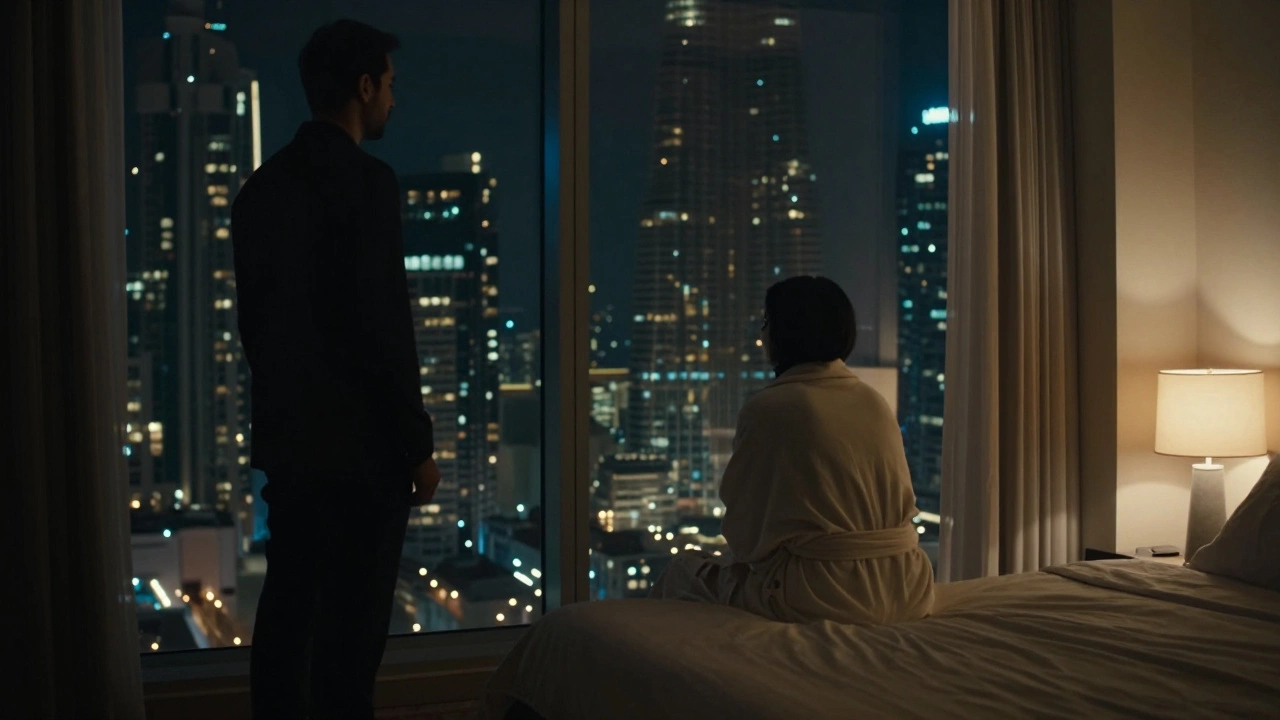
It started with a trip to Dubai. I’d been researching escort in bur dubai out of curiosity, not desire. I wanted to understand how people navigated intimacy in places where identity was both hidden and commodified. I didn’t expect to find a mirror. But there, in a high-rise apartment overlooking the city’s glittering skyline, I met someone who asked me, "What do you want?" - not "What do you do?" or "Who are you?" - just "What do you want?" That question cracked something open.
Queer in a Place That Doesn’t Name You
Dubai doesn’t have a queer community the way Seattle does. There are no rainbow flags on Main Street, no pride festivals on the calendar. But there are people. Quiet ones. People who slip into hotels after dark, who pay for time, for touch, for silence. I met a man who called himself "Rami" - a name he didn’t use anywhere else. He told me he was married, had two kids, and came here once a month because it was the only place he could cry without being called weak. He didn’t ask me to be anything. He just let me be there.
I realized then that brothels aren’t just about sex. They’re about space. Physical space, yes - private rooms, locked doors, no witnesses. But also emotional space. A place where you don’t have to explain why you’re different. Where you don’t have to justify your desire, your fear, your loneliness. In those rooms, queerness isn’t a political statement. It’s just a human need.
The Cost of Intimacy
I didn’t go to Dubai looking for cheap sex. But I found myself comparing prices. There were women who charged $300 an hour and women who charged $80. One of the cheaper ones - an escort dubai girl who looked no older than twenty - told me she was studying nursing. "I don’t like what I do," she said, "but I like what it buys." She bought textbooks, paid her brother’s tuition, and saved for a visa to Canada. She didn’t call herself a sex worker. She called herself a student. And she was right. Her work was survival, not sin.
I thought about the escort dubai cheap listings I’d scrolled through online. The photos, the profiles, the promises. I thought about how easy it is to reduce people to their rates. To assume their choices are born of desperation, not agency. But agency isn’t always loud. Sometimes it’s quiet. Sometimes it’s choosing to get dressed, walk into a room, and say, "I’m here because I need to be."

What Brothels Teach You About Yourself
My first time in a brothel, I cried. Not because I was scared. Not because I was turned on. But because no one had ever asked me what I wanted without trying to fix me. The woman I met that night didn’t know I was queer. She didn’t care. She asked if I wanted music. If I wanted the lights off. If I wanted to talk. I said yes to all three. We talked about my dad, about how he never hugged me after I came out. She told me her brother never spoke to her after she started working. We sat in silence for ten minutes after that. No judgment. No advice. Just presence.
That’s what I didn’t expect. Brothels don’t give you answers. They give you silence. And in that silence, you hear the noise you’ve been running from.
The Myth of the "Sex Worker"
People like to talk about sex work like it’s a monolith. Either it’s exploitation or empowerment. But reality is messier. Some people are trapped. Some are thriving. Some are in between - doing it to pay rent, to escape abuse, to fund art school, to feel something real. One man I met called himself a "professional companion." He wore suits, spoke five languages, and had a PhD in philosophy. He didn’t sleep with clients. He listened. He read poetry. He held hands. He charged $500 an hour. "I’m not selling sex," he said. "I’m selling attention. And in this world, that’s rarer than anything."
I thought about how we label people. Queer. Prostitute. Hustler. Victim. Hero. We need categories to feel safe. But in those rooms, labels don’t fit. People are just people - trying to survive, to connect, to feel alive.
Back Home
I came back to Seattle and went to my usual coffee shop. I sat by the window, watching people walk by. A guy in a leather jacket smiled at me. I smiled back. For the first time, I didn’t wonder if he thought I was "too soft," or "not gay enough," or whether I was performing my queerness right. I just smiled. Because I finally knew: I didn’t need to be anything to be enough.
I still go to therapy. I still attend queer support groups. But now I also remember the woman in Dubai who asked me if I wanted the lights off. I remember the student who bought her brother’s books. I remember the philosopher who sold attention like it was gold.
My queerness didn’t change when I walked into those rooms. But the way I saw myself did. I stopped trying to fit into a box labeled "LGBTQ+" and started living inside my own skin. That’s the bottom line.
There’s a myth that brothels are places of degradation. But sometimes, they’re the only places where you’re allowed to be human without permission.
And if you’re lucky - like I was - you find someone who doesn’t care about your identity, but sees you anyway.
That’s worth more than any price tag.
There’s a moment when you realize you’ve been pretending your whole life. Not because you wanted to, but because the world made it feel safer. I didn’t find liberation in a parade or a protest. I found it in a room with a stranger who asked me one simple question: "What do you want?" And for the first time, I didn’t have to lie.
That’s why I’m writing this. Not to justify my choices. Not to shock anyone. But to say: you don’t need permission to be real. Even if the world won’t name you. Even if the laws won’t protect you. Even if your family won’t understand. You can still be. Here. Now. Just as you are.
And if you ever find yourself in a place like that - quiet, dark, unfamiliar - don’t rush to leave. Sit. Breathe. Ask yourself what you want. Then listen.
Similar Posts
The Bottom Line: Exploring My Queerness in Brothels